null

Classroom Simulation

Building social skills is one of the most important life skills anyone can develop. They help children form friendships, take part in their community, and work as part of a team, though for many kids on the spectrum, this can be genuinely challenging.

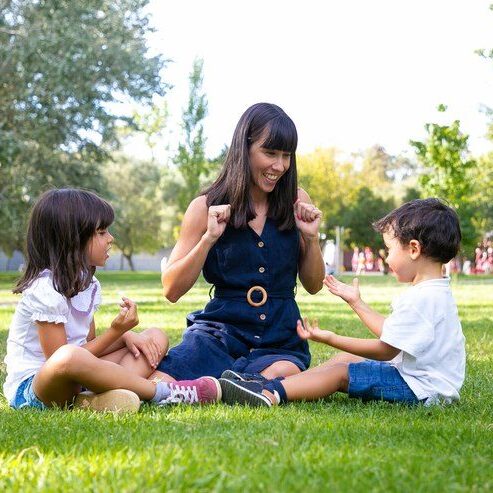
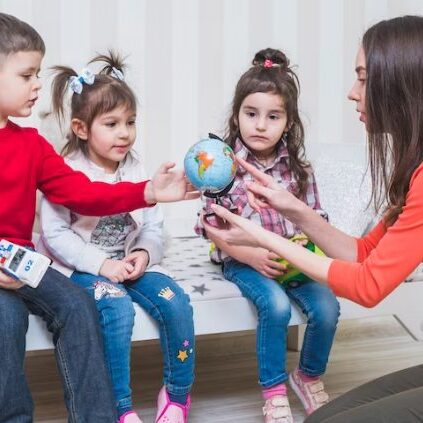
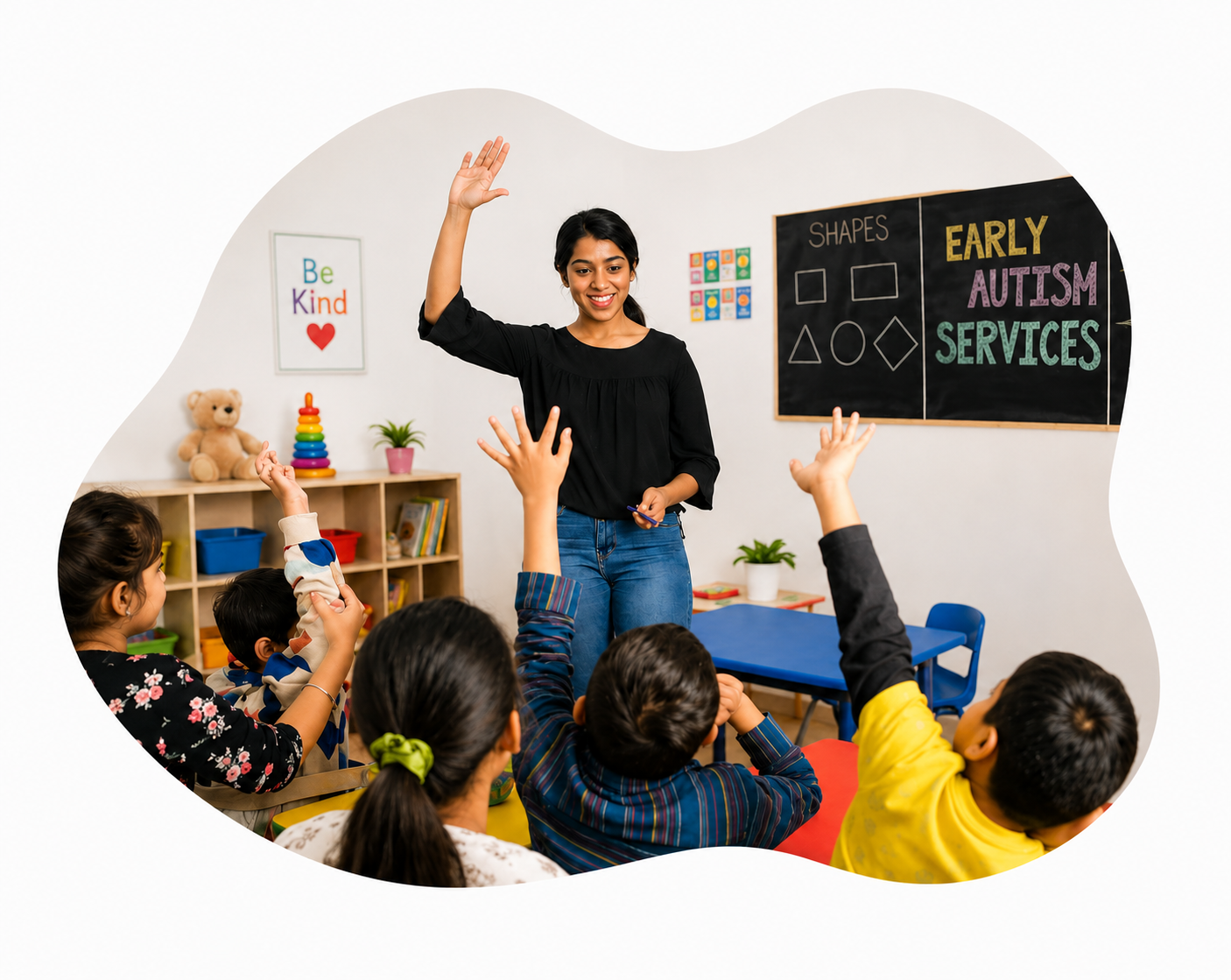
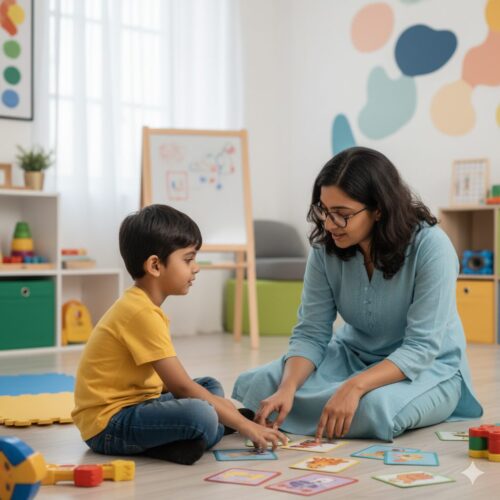
To help with this, EAV hosts Classroom Simulations for children with autism between the ages of 5 and 13. These small group settings give kids the chance to practice social skills alongside peers, guided by our trained clinicians. Groups practice skills like making conversation, taking turns, compromising, cooperating, public speaking, and other everyday social situations.

Building social skills takes practice, and that practice is exactly what gives children the confidence to try new things and take part in social activities as they grow older.
Conditions We Focus On

  • Autism Spectrum Disorder (ASD)
  • Attention-Deficit Hyperactive Disorder
  • Intellectual Disabilities
  • Down Syndrome
  • Repetitive Behaviors – rocking, hand flapping
  • Aggressive Behaviors – biting, kicking
  • Tantrums and Meltdowns
  • Difficulty with Transitions in routine or activities
  • Sensory Sensitivities – sounds, lights, taste
  • Use of repetitive words/phrases
  • Not Understanding words/phrases
  • Delayed Speech
  • Difficulty with Communication
  • Unusual Voice Tone
  • Complete reliance on non-verbal communication
  • Struggling to communicate with peers and teachers
  • Difficulty staying focused
  • Difficulty managing emotions
  • Difficulty with self-care routine – dressing, toilet and eating
  • Not able to follow directions

Focused Skill Development: Small Teachable Steps

Classroom simulation works because it breaks big social goals into small, practiceable moments, learning to wait your turn, learning to ask a question, learning to sit through a group activity, each one building toward genuine classroom confidence.

Pre Academic Skills for Children

Pre Academic Skills

Indian schools for autistic children

Behaviour Therapy

Out door Group activities for autistic children

Play Skills in Children with Autism

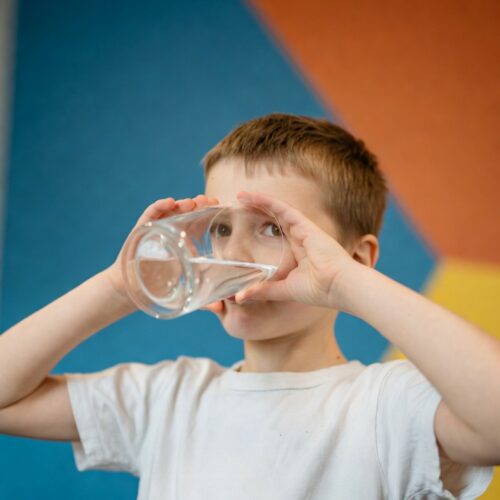
pace brain gym exercise autism drinking water

Self Help

Social Skills Training for Autism

Developing Fine & Gross Motor Skills

Language and Communication Skills

Developing Language and Communication Skills in Children with Autism

Fine and Gross Motor Skills

Menstruation is a significant milestone in a girl’s life, and children with autism may require additional support

Frequently Asked Questions about Autism Therapy

Collaborative Approach

At EAV, your child’s ABA program doesn’t happen in isolation. Our center houses in-house experts in ABA Therapy, Occupational Therapy, and Speech/Language Therapy, all working from the same clinic and the same shared understanding of your child. We also stay closely connected with caregivers, teachers, and outside therapists, because real progress depends on skills carrying over from our clinic into the home and classroom.