null

What is Occupational Therapy

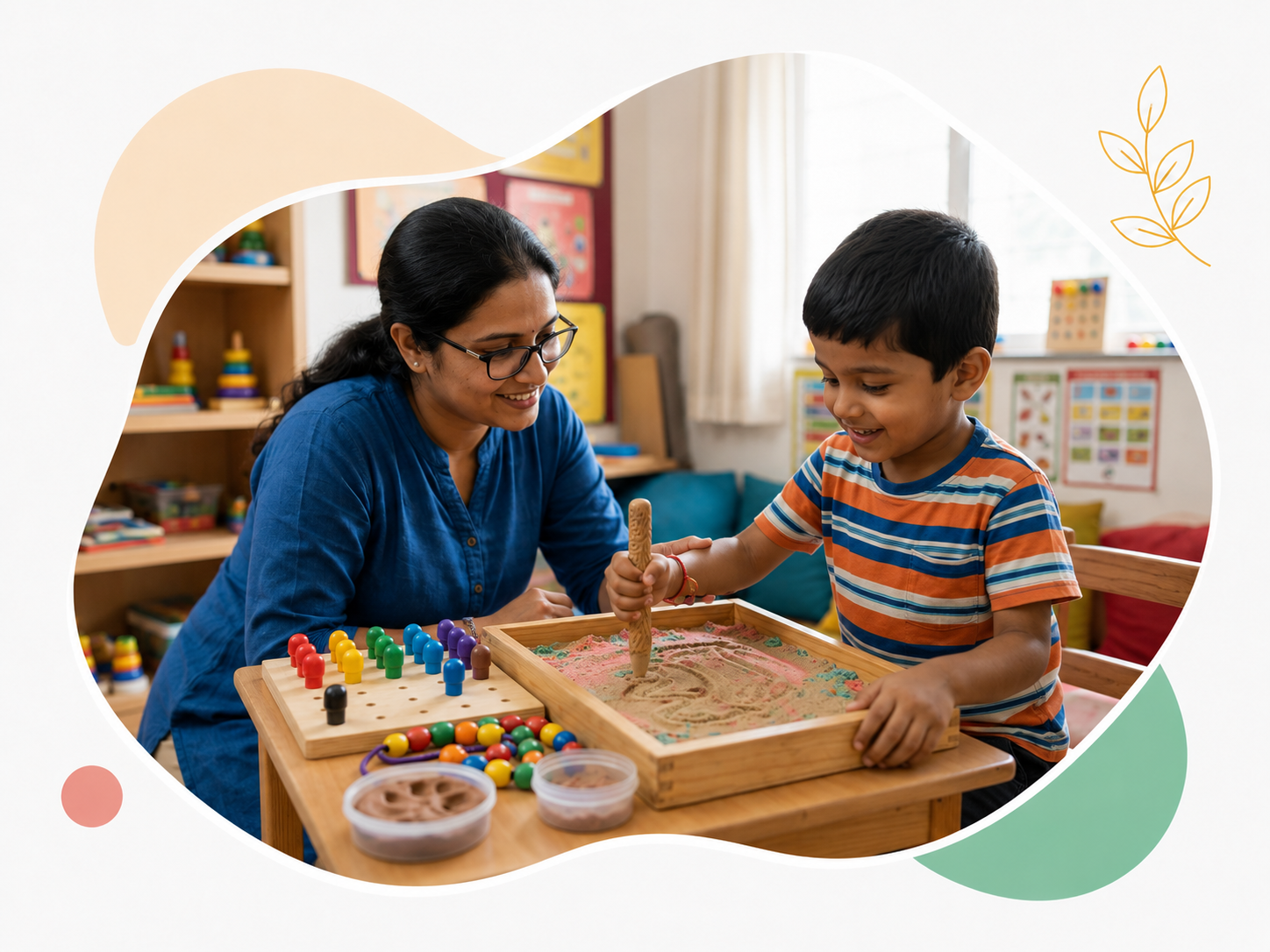
Occupational therapy is a client-centered health profession focused on promoting health and well-being through meaningful activity. Its primary goal is to help people participate fully in the activities of everyday life.

The Occupational Therapy Department at Early Autism Ventures offers OT services in an educational setting, with our team’s expertise centered on pediatric care and rehabilitation.

Identifying the need for Occupational Therapy/ When Can We Help?

Does your child face difficulties with day-to-day activities at home, school, or in the community? If so, there’s a good chance your child could benefit significantly from occupational therapy services. Occupational therapists are highly trained healthcare professionals who evaluate and support children who struggle to participate in the meaningful daily activities, or “occupations,” that make up everyday life. Some areas occupational therapy can help with include:

  • Fine motor skills
  • Gross motor skills
  • Motor planning skills
  • Sensory processing difficulties
  • Visual motor and visual perceptual skills
  • Self-care
  • Prewriting and handwriting skills
  • Oral motor challenges
  • Problems with self-regulating, transitioning, or engaging with peers
  • Struggling to achieve age-appropriate milestones
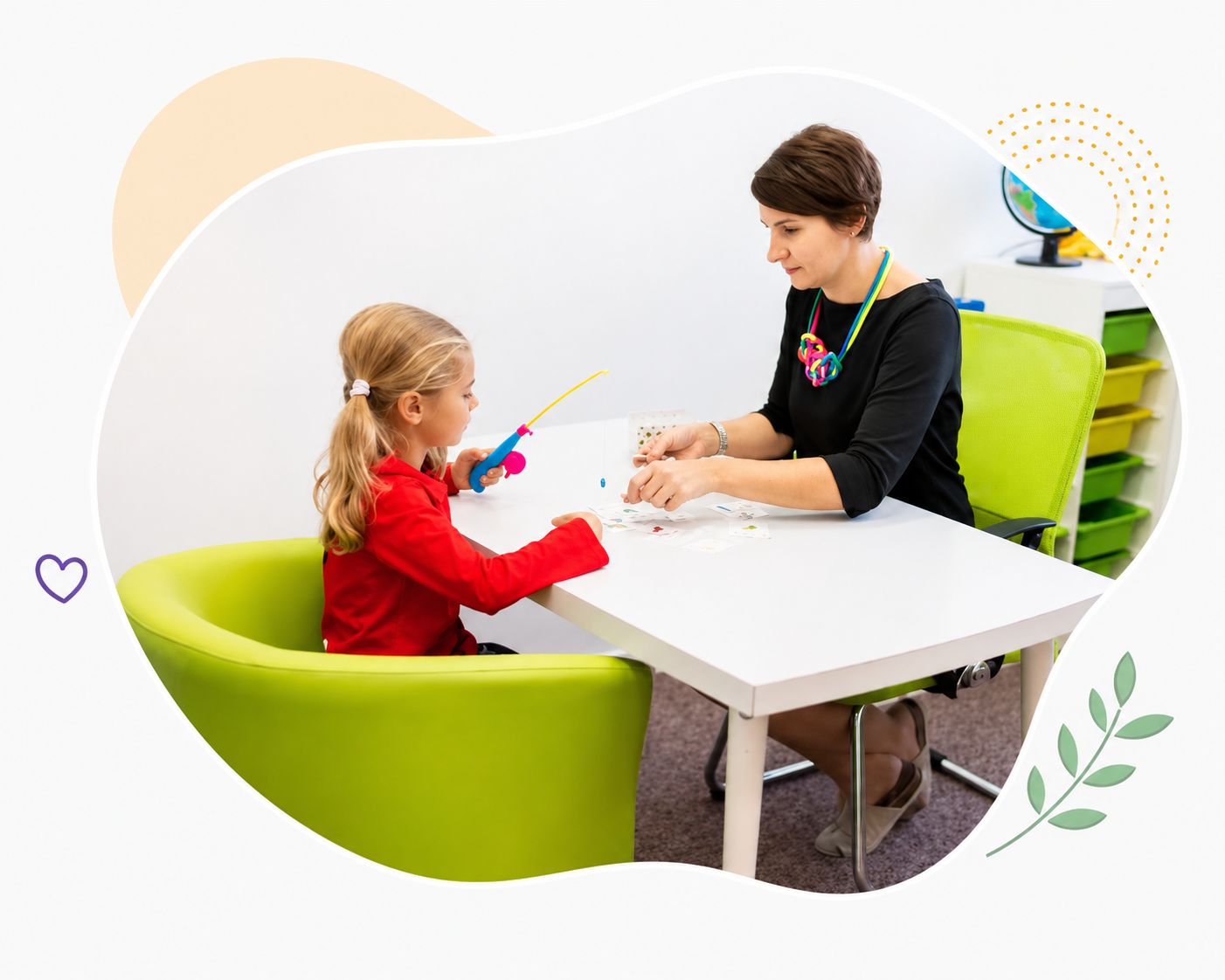
We serve to a wide range of conditions including :

We cater to a wide range of conditions including

  • Autism
  • Down’s Syndrome
  • Cerebral Palsy
  • ADHD
  • Learning Disability
  • Sensory Processing Disorder

Services Offered at OT Department (EAV) :

Sensory Integration

Occupational therapists help children with sensory processing differences learn to regulate and integrate sensory information. Through sensory-based interventions, OT helps children process and integrate sensory input in a way that leads to more appropriate, adaptive responses to everyday stimuli. This approach doesn’t just improve a child’s ability to engage in daily activities, it helps them navigate their environment with more ease.

Why is Sensory Integration Needed?

Many children with sensory integration difficulties develop a tendency to avoid or reject sensory or motor challenges, responding with refusals or tantrums when asked to perform certain tasks. Left unaddressed over time, this can mean a child misses out on important experiences, like playing games with peers, that build confidence, a wide range of useful skills, and flexible social strategies.

Children can present with different types of sensory integration difficulties (also known as sensory processing difficulties):

Hyper (over) sensitive:

  • Fear of heights
  • Dislike of touch experiences, e.g. nail cutting, messy play, hair cutting
  • Dislike of loud and sudden sounds
  • Avoidance of playground equipment (swings and slides)

Hypo (under) sensitive:

  • Appears to have no fear or doesn’t feel pain
  • Seeks movement or touch opportunities (fidgets, rocks, runs about, leans on peers)
  • Mouths or chews things
  • Poor attention to the environment or people around them

Motor Planning (Praxis):

  • Appears clumsy
  • Difficulty creating movement ideas
  • Difficulty planning and executing new movements
  • Poor posture
  • Slouches at desk
  • Fidgets or struggles to sit in one position for extended periods
  • Affects fine motor coordination and ball skills
  • Poor balance

Sensory integration therapy gives our occupational therapists a clear framework for assessing and treating children facing the difficulties above.

Our Goals for Sensory Integration

The goal of our sensory integration unit is to provide comprehensive SI services that help children build the independence they need across every area of life. Sensory integration gives our occupational therapists a structured framework for assessing and treating the difficulties outlined above.

Prewriting and Handwriting remediation

Handwriting is a way of expressing language, much like speech, with the added benefit of leaving a lasting trace. Sometimes called “language by hand,” it’s a physical way of putting thoughts and ideas into words and communicating with others. It’s also a genuinely complex skill to master, one that calls on linguistic, cognitive, perceptual, and motor abilities all working together at once.

Handwriting- ‘Language by Hand

Because handwriting draws on so many different skills at the same time, difficulties in any one area, whether it’s fine motor control, visual perception, or letter recognition, can show up as messy or effortful handwriting. Our occupational therapists work on each of these building blocks individually, so writing becomes less of a struggle and more of a tool your child can use with confidence.

Why is Handwriting Remediation Needed?

A child who struggles with handwriting ends up spending more mental energy on forming letters than on the words or ideas they’re trying to express. When a child can’t record information consistently or legibly, it slows their progress and can lead to real frustration.

Modern technology has changed how we communicate, but handwriting still matters in education, employment, and everyday life. Without fast, legible handwriting, children can miss out on learning opportunities and underachieve academically, which can affect both their confidence and their motivation to write.

Handwriting is a skill that has to be taught, not one children simply pick up on their own. Good, consistent teaching, especially in the early primary years, matters. Targeted intervention from a trained Occupational Therapist can make a noticeable difference for most children.

Visual -perceptual Skill

Visual perceptual skills allow a child’s brain to process what they’re seeing, supporting everything from recognizing and identifying words, sequencing the alphabet, and reading comprehension, to mental math, writing, puzzles, and completing everyday tasks.

Visual Perceptual skills

Children who struggle with visual perception often face challenges in school, things like difficulty identifying numbers or letters, reversing similar-looking letters and words, poor handwriting, or trouble with sports and playground activities. These difficulties can also show up in self-regulation, behavior, and concentration. Our team works to assess and strengthen each child’s visual-perceptual skills.

Motor Skills

Motor skills involve the large muscles of the body that allow for movements like walking, kicking, sitting upright, lifting, and throwing a ball.

Gross Motor Skills:

Gross motor skills support major body movements: walking, balance, coordination, jumping, and reaching. These abilities are closely connected to other physical functions. For example, a child’s ability to maintain upper body support affects their ability to write, since writing itself is a fine motor skill. Children with underdeveloped gross motor skills may struggle with tasks like writing, sitting up alert, sitting up straight to watch classroom activities, or writing on a board.

Fine Motor Skills:

Fine motor skills involve the small muscles of the body that enable functions like writing, grasping small objects, and fastening clothing, drawing on strength, control, and dexterity. These skills matter in nearly every school activity and in daily life generally. Weak fine motor skills can affect a child’s ability to eat, write legibly, use a computer, turn pages in a book, and manage personal care tasks like dressing and grooming.

Goals for Development:

An occupational therapy evaluation can determine whether your child’s fine motor skills are a concern, and whether therapy can help improve them. With the goal of building skills like handwriting, cutting, buttoning, and self-care, our occupational therapists use personalized techniques and exercises to strengthen hand-eye coordination, dexterity, and overall fine motor ability.

Self-Care and Independence

Self-help skills let your child meet their own needs and are made up of the small behaviors that build toward real independence: dressing themselves, setting a table, pouring their own juice. These moments reflect growing maturity, but self-help skills also involve emotional and cognitive growth, learning to express anger with words instead of throwing a toy, respecting others’ belongings, and one day reading a book without help.

Self-Care and Independence

Our occupational therapists help neurodiverse children build essential self-care skills such as dressing, grooming, feeding, and toileting. Just as importantly, we work on independence and routines that let children carry out these tasks confidently and on their own. Most children eventually want to try acts of independence, from making their own sandwich to riding a bike solo, and at EAV, we see that “I want to do it myself” drive as natural and genuinely important to a child’s development.

Self-help skills let your child meet their own needs through everyday behaviors that build toward independence: dressing themselves, setting a table, pouring their own juice. These moments reflect growing maturity, but self-help skills also involve emotional and cognitive growth, expressing anger with words rather than actions, respecting others’ belongings, and eventually reading a book unaided.

ADL (Activities of Daily Living) training serves two purposes: addressing identified skill gaps directly, and teaching compensatory techniques so your child can accomplish daily tasks safely.

Neuro- Developmental Therapy

Neuro-Developmental Therapy (NDT) is a hands-on treatment approach designed to help children who have difficulty controlling movement due to neurological conditions such as cerebral palsy, pediatric stroke, Down’s syndrome, or developmental delays. In the safe, supportive environment at EAV, our therapists create opportunities for your child to engage in activities aimed at reaching their highest possible level of function, encouraging genuine relearning of movement rather than simply adapting around it.

Adaptive Strategies and Environmental Modifications

Working alongside families and educators, our occupational therapists help build adaptive strategies and modify environments to support each neurodiverse child’s specific needs. This can include assessing your child’s home and offering practical feedback on modifications that reduce hazards, support functional independence, and improve quality of life.

Occupational Therapy at EAV: An Integrated & Holistic Service

Our occupational therapists work with children, families, caregivers, and educational staff across a range of programs and settings. No matter where evaluation and intervention happen, the goal stays the same: helping your child participate fully in daily living, education, work, play, leisure, and social interaction.

Working alongside a team of highly skilled occupational therapists, Early Autism Ventures (EAV) is committed to delivering results-focused OT services tailored specifically to neurodiverse children and their individual needs. We believe strongly in a holistic approach, one that takes into account your child’s strengths, challenges, and unique sensory profile as a whole.

Collaborative Approach

Occupational therapy at EAV never happens in a silo. Our OT team works alongside our in-house ABA and Speech/Language therapists, plus caregivers, teachers, and outside professionals, so the progress your child makes in an OT session carries over into daily life at home and school.