- Isn’t hitting speech or language milestones for their age
- Struggles to express their wants and needs
- Needs frequent prompting before asking for help
- Speech errors are starting to affect their reading
- Is non-verbal or has very limited spoken language
- Finds it hard to connect with peers during play or social time
- Seems to have lost words they used to say
- Is hard to understand in everyday conversation past age 4
- Sticks mostly to naming things (nouns) rather than using a variety of words
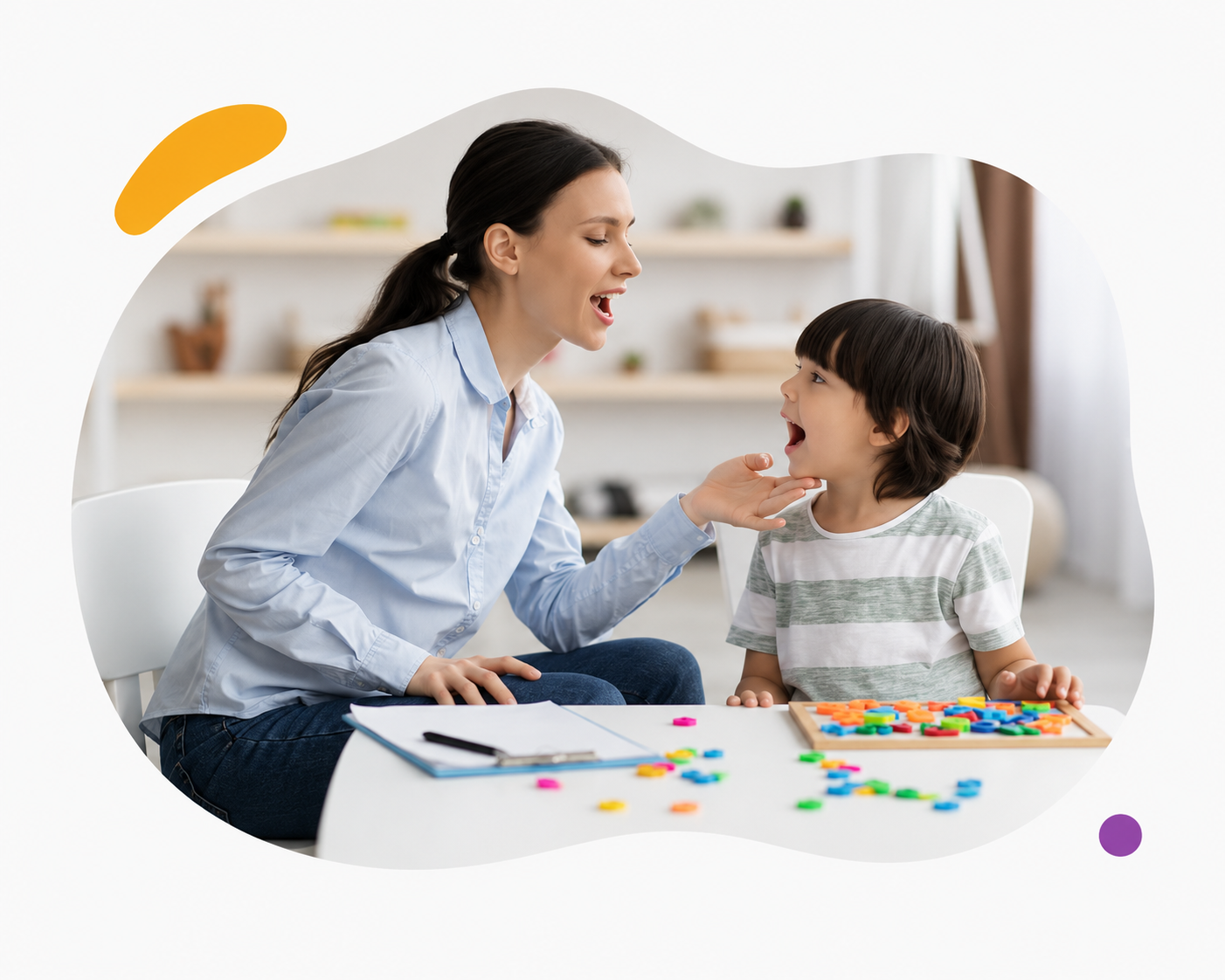
What is Speech/Language Therapy?
Speech and language therapy is designed to address the full range of communication disorders, including language delays, communication skill-building, feeding challenges, and speech sound disorders.
Signs your child may benefit from a speech and language evaluation:
Common Diagnoses
- Receptive/Expressive Language Delay
- Articulation Disorder
- Childhood Apraxia of Speech
- Phonological Disorder
- Stuttering/Fluency Disorder
Our Speech-Language Pathologists (SLPs) also frequently provide language treatment for children with:
- Autism
- Down’s Syndrome
- Cerebral Palsy
- ADHD
- Learning Disability
- Sensory Processing Disorder
Speech Therapy at EAV
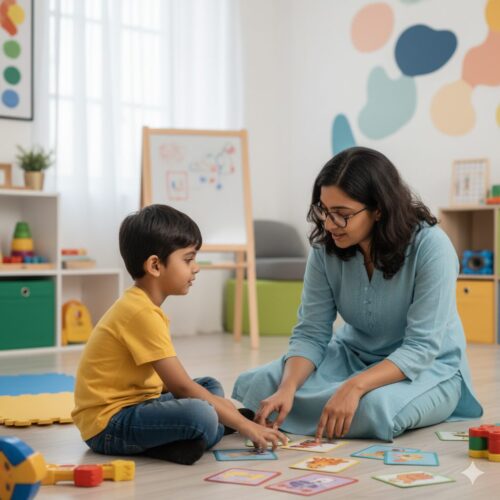
At EAV, our approach to speech therapy stands apart because we prioritize your child’s overall development, not just speech in isolation. We take a holistic view that considers their well-being as a whole, integrating sensory regulation into therapy sessions because of how closely it’s tied to communication.
Our methods center on play-based learning, tailored to your child so they can thrive in any environment. We also believe every child deserves a voice, which is why we emphasize total communication: offering diverse ways for your child to express themselves effectively.
Our program can help your child:
- Develop functional communication through AAC
- Produce age-appropriate speech sounds
- Learn new social skills for stronger peer interactions
- Learn to formulate sentences
- Build oro-motor skills through sensory integration for feeding and speech
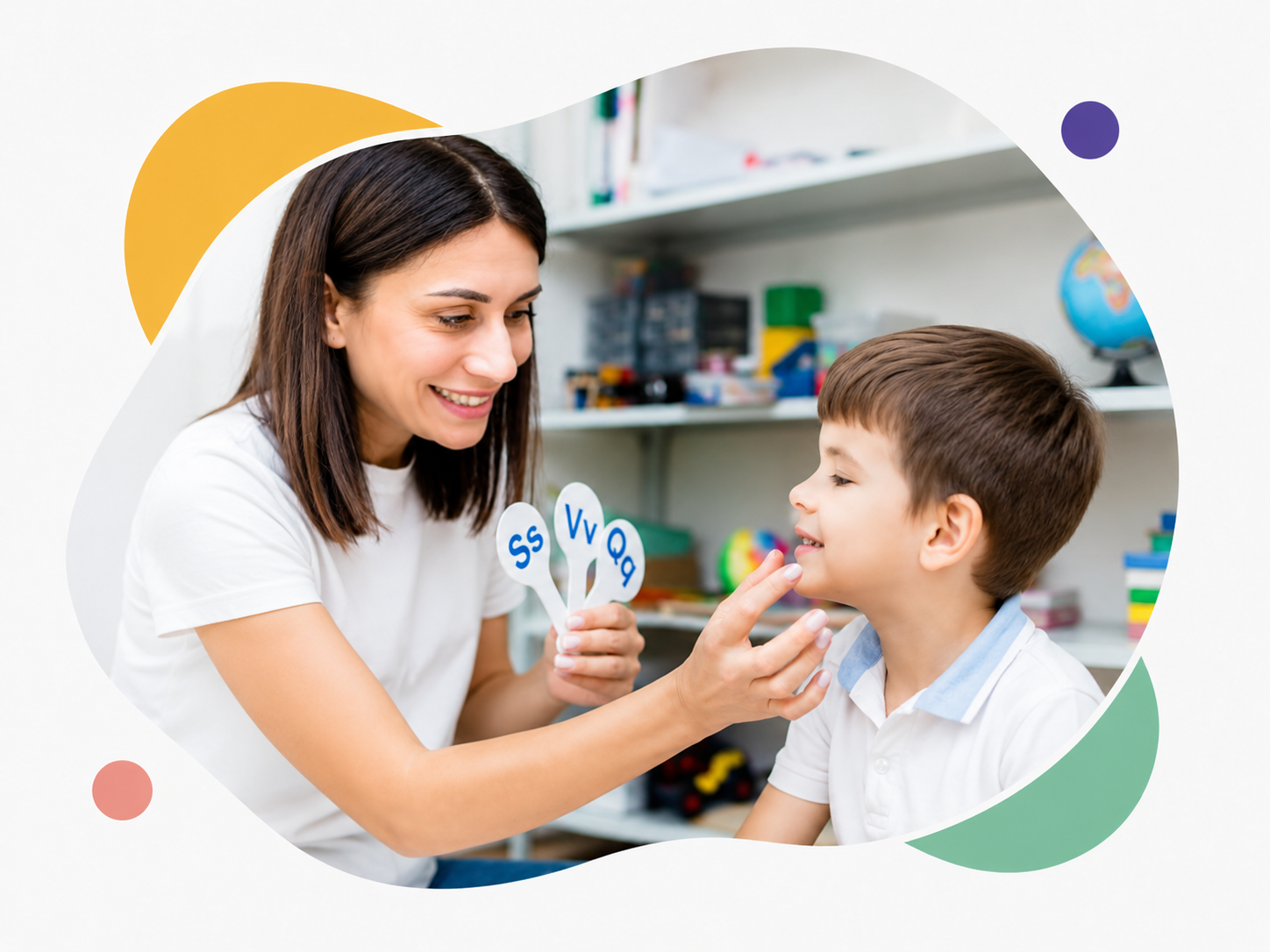
Conditions We Focus On
- Autism Spectrum Disorder (ASD)
- Attention-Deficit Hyperactive Disorder
- Intellectual Disabilities
- Down Syndrome
- Repetitive Behaviors – rocking, hand flapping
- Aggressive Behaviors – biting, kicking
- Tantrums and Meltdowns
- Difficulty with Transitions in routine or activities
- Sensory Sensitivities – sounds, lights, taste
- Use of repetitive words/phrases
- Not Understanding words/phrases
- Delayed Speech
- Difficulty with Communication
- Unusual Voice Tone
- Complete reliance on non-verbal communication
- Struggling to communicate with peers and teachers
- Difficulty staying focused
- Difficulty managing emotions
- Difficulty with self-care routine – dressing, toilet and eating
- Not able to follow directions
Focused Skill Development: Small Teachable Steps
At EAV, we recognize just how diverse the needs of children with autism spectrum disorder (ASD) can be. Our individualized behavior analysis services target the key skills that matter most for communication and social development. Through focused, step-by-step interventions, we help children communicate more effectively with parents and peers, which in turn reduces frustration and unwanted behaviors.




Collaborative Approach
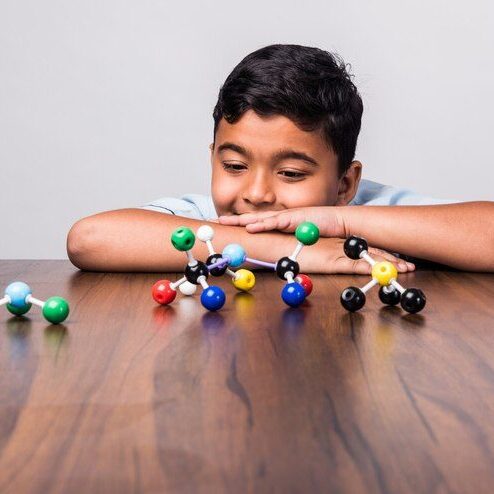
Speech therapy works best when it isn’t isolated from the rest of your child’s care. Our Speech-Language Pathologists coordinate closely with our in-house ABA and Occupational Therapy teams, and with caregivers and teachers outside EAV, so communication gains made in session translate into real conversations at home and school.
In home & Online modes available